The content directly below pertaining to How to Prevent Your Pipes From Freezing is rather insightful. Read it for yourself and figure out what you think of it.
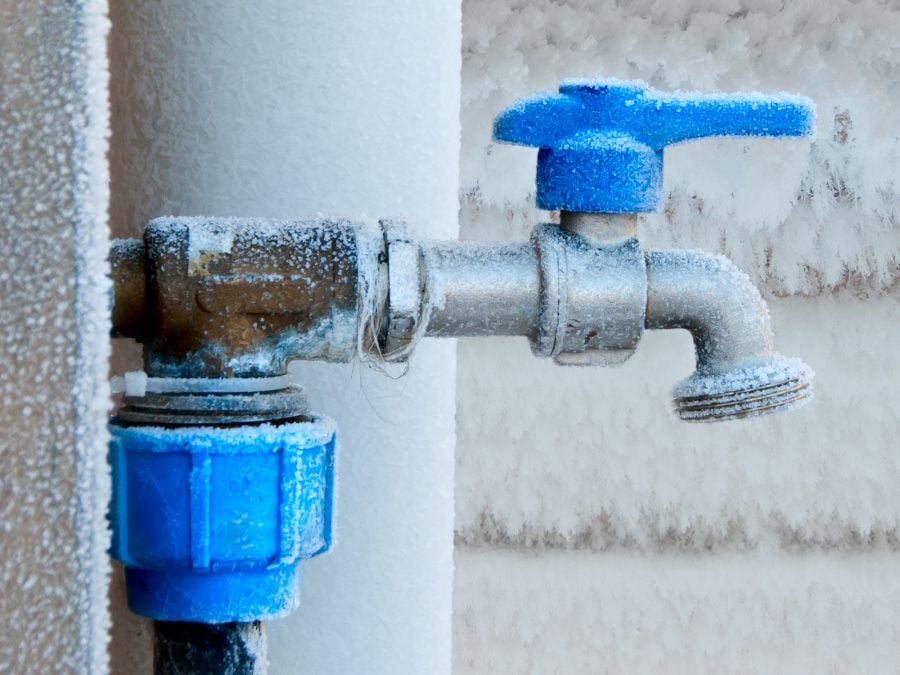
Winter can wreak havoc on your plumbing, especially by freezing pipes. Below's how to stop it from happening and what to do if it does.
Intro
As temperatures decline, the risk of icy pipelines increases, possibly bring about costly repair services and water damages. Understanding exactly how to stop icy pipelines is crucial for property owners in chilly environments.
Avoidance Tips
Protecting at risk pipelines
Cover pipelines in insulation sleeves or use warmth tape to shield them from freezing temperature levels. Concentrate on pipelines in unheated or external locations of the home.
Heating strategies
Keep interior areas appropriately warmed, especially locations with plumbing. Open up cupboard doors to permit warm air to flow around pipelines under sinks.
Exactly how to recognize frozen pipes
Try to find lowered water flow from faucets, uncommon smells or noises from pipes, and visible frost on subjected pipelines.
Long-Term Solutions
Architectural adjustments
Think about rerouting pipes far from outside wall surfaces or unheated locations. Include added insulation to attic rooms, cellars, and crawl spaces.
Updating insulation
Buy high-grade insulation for pipelines, attic rooms, and wall surfaces. Correct insulation helps maintain consistent temperature levels and decreases the risk of icy pipes.
Protecting Outside Plumbing
Yard pipes and outside taps
Disconnect and drain pipes garden pipes before winter. Set up frost-proof faucets or cover outdoor faucets with protected caps.
Recognizing Icy Pipelines
What causes pipes to freeze?
Pipelines ice up when exposed to temperatures below 32 ° F (0 ° C) for expanded durations. As water inside the pipelines freezes, it increases, putting pressure on the pipeline wall surfaces and potentially triggering them to break.
Risks and damages
Icy pipes can cause water supply interruptions, property damage, and costly repair services. Ruptured pipes can flooding homes and cause substantial architectural damages.
Indications of Frozen Piping
Determining icy pipelines early can avoid them from rupturing.
What to Do If Your Pipelines Freeze
Immediate activities to take
If you presume icy pipes, keep faucets open to relieve stress as the ice thaws. Utilize a hairdryer or towels soaked in warm water to thaw pipelines slowly.
Verdict
Protecting against frozen pipelines needs proactive actions and fast responses. By recognizing the causes, indicators, and preventive measures, homeowners can secure their pipes during cold weather.
6 Proven Ways to Prevent Frozen Pipes and Protect Your Home
Disconnect and Drain Garden Hoses
Before winter arrives, start by disconnecting your garden hoses and draining any remaining water. Close the shut-off valves that supply outdoor hose bibs and leave the outdoor faucet open to allow any residual water to drain. For extra protection, consider using faucet covers throughout the colder months. It’s also important to drain water from any sprinkler supply lines following the manufacturer’s directions.
Insulate Exposed Pipes
Insulating your pipes is an effective way to prevent freezing. Pipe insulation is readily available at home improvement stores and is relatively inexpensive. Pay close attention to pipes in unheated areas such as the attic, basement, crawl spaces, or garage. Apply foam insulation generously to create a buffer against the cold. You can also wrap your pipes in heat tape or thermostat-controlled heat cables for added warmth.
Seal Air Leaks
Inspect your home for any cracks or openings that could let in cold air. Seal any holes around the piping in interior or exterior walls, as well as the sill plates where your home rests on its foundation. Additionally, make sure to keep your garage door closed unless you’re entering or exiting. Leaving it open creates a significant air leak that can lead to frozen pipes.
Allow Warm Air Circulation
During cold snaps, it’s essential to allow warm air to circulate evenly throughout your home. Leave interior doors ajar to promote better airflow. Open kitchen and bathroom cabinets to help distribute heat consistently around the rooms. If you have small children or pets, be sure to remove any household chemicals or potentially harmful cleaners from open cabinets for safety.
Let Faucets Drip
A small trickle of water can make a big difference in preventing ice formation inside your pipes. When temperatures drop significantly, start a drip of water from all faucets served by exposed pipes. This continuous flow helps prevent the water from freezing. Additionally, running a few faucets slightly can relieve pressure inside the pipes, reducing the chances of a rupture if the water inside does freeze.
https://choateshvac.com/6-proven-ways-to-prevent-frozen-pipes-and-protect-your-home/

I discovered that article about How to Prevent Your Pipes From Freezing while browsing the search engines. I beg you take a moment to distribute this write-up if you liked it. I praise you for your time. Come back soon.
Book A Free Estimate
Comments on “Tips for Preventing Frozen Plumbing in Winter: Expert Tips”